Plateau de fromages et charcuterie Grecs
Equipment
- 1 planche à découper
- Couteaux
- Plateau de service
Ingredients
- 150 gr feta
- 150 gr graviera
- 150 gr kefalotyri
- 150 gr kasseri
- 150 gr louza filet de porc séché
- 150 gr pastourma boeuf séché aux épices
- 100 gr olives noires kalamata
- 100 gr olives vertes
- 50 gr poivrons rouges marinés
- 50 gr tomates séchées
- 50 gr noix
- 1 concombre tranché
- 1 poignée raisins
- 1 poignée figues fraîches
- 1 pain pita coupé en triangles
- 1 baguette de pain tranchée
Instructions
- Préparer les fromages : Coupez la feta, le graviera, le kefalotyri et le kasseri en morceaux de taille appropriée pour être facilement dégustés. Disposez-les sur un plateau de service en les espaçant bien.
- Préparer les charcuteries : Tranchez finement la louza et le pastourma. Disposez-les sur le plateau à côté des fromages.
- Ajouter les accompagnements : Répartissez les olives kalamata et vertes, les poivrons rouges marinés, les tomates séchées et les noix sur le plateau.
- Ajouter les fruits et légumes : Ajoutez les tranches de concombre, les raisins et les figues fraîches sur le plateau.
- Ajouter les pains : Disposez les triangles de pain pita et les tranches de baguette autour du plateau.
- Servir : Présentez le plateau de fromages et charcuterie grecs à vos invités. Accompagnez-le éventuellement de miel grec, de confiture de figues ou de noix pour un goût sucré-salé.
Video
Nutrition
An Invitation to Greek Tasting
The Greek cheese and charcuterie platter embodies the generosity and diversity of Hellenic gastronomy. With its authentic ingredients, it pays tribute to culinary traditions handed down from generation to generation. Tasty, nutritious and convivial, it’s a natural choice for aperitifs and more festive meals alike.
The Cheese and Charcuterie Platter and Greek Culture
A Symbol of Greek Conviviality
The Greek cheese and charcuterie platter is much more than a simple assortment. It embodies the Mediterranean art of living. In Greece, every meal becomes a moment of sharing. Families and friends gather around the table to chat, laugh and enjoy. This tray perfectly reflects this spirit of hospitality. The products are generously presented, inviting everyone to pick, taste and share without constraint.
Living Culinary Transmission
Every cheese, every slice of charcuterie tells a story. These products are more than just local specialties. They reflect a heritage carefully handed down from generation to generation. Taste them and discover the flavors of authentic Greece. Family traditions, artisan methods and ancient recipes come together in this platter. It thus becomes a living testimony to Greece’s culinary heritage.
A Celebration of Local Terroir
The products on this platter are the result of regional know-how. Sheep’s or goat’s milk comes from family farms, often located in the heart of the countryside. The charcuterie, meanwhile, is made with spices and herbs typical of the country. By choosing these ingredients, you support a sustainable local economy. You’ll also be helping to promote a region rich in tradition. In this way, each bite pays homage to the land and the men and women who cultivate it.
Essential Ingredients
Greek cheeses: a palette of flavours
Cheese plays a central role in Greek gastronomy. Each variety has its own history, unique texture and specific flavour. This tray offers a well-balanced selection, ideal for satisfying all palates.
Feta: Greece’s emblematic cheese, feta is made from sheep’s or goat’s milk. It has a crumbly texture and a pronounced salty taste. Very versatile, it can be eaten on its own, drizzled with olive oil, or combined with tomatoes, olives or fresh herbs.
Graviera: often compared to Gruyère, this hard cheese seduces with its softness and slightly sweet notes. Made mainly in Crete, it goes perfectly with dried fruit or nuts. Its maturation gives it a melt-in-the-mouth texture, ideal for balancing the platter.
Kefalotyri: a hard cheese with a full-bodied taste, kefalotyri is perfect for grilling. It is notably used in the famous Greek dish, saganaki. Its intense flavor and firm consistency create a pleasant contrast with milder cheeses.
Kasseri: semi-hard, both sweet and slightly tart, it melts easily and can be enjoyed hot or cold. Its delicate taste makes it accessible even to those discovering Greek cheeses for the first time.
By combining these four cheeses, you offer a diversity of textures and flavours. This blend ensures a rich tasting experience that is both traditional and accessible.
Greek charcuterie: deep, warm flavours
Greek charcuterie, often less well known internationally, deserves a special place on this platter. Prepared by hand, these meats are the fruit of ancestral know-how.
Louza: a Cycladic specialty, louza is an air-dried pork tenderloin. Seasoned with local spices and herbs, it develops a fine, slightly sweet and subtly smoky taste. Its tender texture and delicate aromas make it a refined option that pairs well with mild cheeses.
Pastourma: this beef delicatessen, originally from Asia Minor, is marinated and then dried for a long time. Covered with a blend of spices, including paprika, garlic and fenugreek, it offers a powerful, lingering flavor. Highly aromatic, it is distinguished by its melt-in-the-mouth texture and unique spicy taste.
By adding these Greek charcuterie products to the platter, you add a remarkable depth of flavour. They create a beautiful balance with the salty and dairy flavors of the cheeses. The result is both generous and harmonious, perfect for impressing your guests.
Preparing the Platter
Careful blending to delight the taste buds
The success of a Greek cheese and charcuterie platter depends on careful selection, but above all on harmonious presentation. Each ingredient must be highlighted, both visually and in terms of taste. It’s not just a question of juxtaposing products, but of creating an aesthetic and sensory balance.
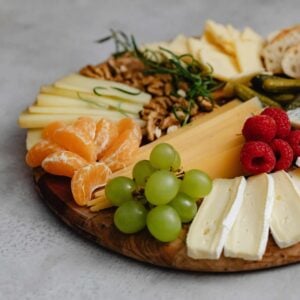
Start by cutting the cheeses into easy-to-serve pieces. Choose a variety of shapes: dice, thick slices, triangles or cubes. This diversity makes the set more dynamic. Next, arrange the cured meats, ideally in thin slices to release their aromas. Feel free to roll or fold them slightly to create volume.
Think about complementary products, too. Kalamata olives and pickled red peppers add an intense Mediterranean touch. The dried tomatoes, with their concentrated flavor, enrich the whole. Dried fruits such as walnuts, figs or raisins add texture and a natural sweetness that contrasts pleasantly with the saltiness of cheeses and meats.
Setting the scene to whet the appetite
Layout plays a fundamental role in the perception of the set. Use a large tray or rustic plank, preferably made of wood, to accentuate the traditional look. Place the elements in such a way as to avoid clutter, while maintaining an impression of generosity.
Alternate colors, shapes and textures to attract the eye. White products, such as kasseri, contrast elegantly with the darker hues of pastourma or olives. Arrange wet items (pickled peppers, dried tomatoes) in small bowls to prevent them from moistening the cheeses. Finally, surround with triangles of lightly toasted pita bread or thin slices of baguette to complete the presentation.
This attention to detail allows us to sublimate Greek products and offer your guests an experience that is as visual as it is tasty.
Nutritional Contributions of the Plateau
A Natural Source of Benefits
A Greek cheese and charcuterie platter doesn’t just seduce with its flavours. It also offers a wide range of nutritional benefits for the body. In addition to their rich taste, each ingredient has its own specific virtues.
Cheeses, for example, are an excellent source of calcium. This mineral is essential for strong bones and healthy teeth. They also contain complete proteins, necessary for proper muscle function. Feta cheese, in particular, also provides probiotics, especially when it’s made by hand. These beneficial bacteria support balanced intestinal flora and promote optimal digestion.
As for charcuterie, it offers a high level of quality protein. Although they are higher in fat and salt, eating them in moderation as part of a balanced meal means you can enjoy their rich nutritional content without excess. Pastourma, for example, is highly concentrated in iron and B vitamins, which are useful for energy metabolism.
Virtuoso accompaniments
The products that surround cheese and charcuterie also provide their share of nutrients. Olives, rich in monounsaturated fatty acids, support cardiovascular health. They also contain powerful antioxidants like vitamin E, which protect cells from oxidative stress.
Nuts and dried fruit provide fiber, omega-3 and minerals such as magnesium and zinc. These elements help strengthen the immune system and stabilize energy levels throughout the day. Vegetables such as peppers and cucumbers add vitamins A and C, promoting good hydration and beautiful skin.
A Balanced and Gourmet Experience
So this platter isn’t just festive: it can also be part of a healthy diet. A judicious combination of the various elements combines pleasure and balance. By varying the quantities, encouraging diversity and integrating fresh produce, you can create an aperitif that’s as nourishing as it is harmonious.
Tasting and Accompaniments
A Convivial and Refined Aperitif
The Greek cheese and charcuterie platter is an ideal starter for an aperitif with friends or a festive occasion. It draws the eye with its colors, varied textures and generous abundance. From the very first bite, everyone is immersed in a rich, authentic and convivial experience. This type of platter encourages interaction around the table. It perfectly embodies the spirit of Greek cuisine: generous, accessible and focused on shared pleasure.
Perfect pairings with Greek beverages
A few simple pairings can turn this tasting into an unforgettable experience. A dry white wine from Santorini, with a marked minerality, is the ideal accompaniment to cheeses such as feta or graviera. For its part, a light red wine from the Peloponnese enhances the more intense flavors of cured meats, especially pastourma. In summer, a glass of local rosé adds a fruity, refreshing note to the ensemble. For an even more local touch, the traditional ouzo, with its aniseed aromas, creates a typically Greek interlude. To be consumed in moderation, of course.
Mediterranean dips to enrich the assortment
To complete the platter, you can offer a few traditional Greek dips. Tzatziki, with its milky freshness and hints of garlic, goes perfectly with pita bread. The black olive tapenade adds a deep, salty touch. Homemade hummus or roasted cream of eggplant (melitzanosalata) add roundness and sweetness. Thanks to these additions, the platter becomes more than just a tasting experience: it’s enriched with new textures and broadens the taste experience.
An Authentic Greek Culinary Experience
More Than a Plateau, a Moment of Sharing
In Greece, gastronomy is never limited to dishes. It’s an integral part of the art of living. The Greek cheese and charcuterie platter symbolizes this philosophy. Not to be enjoyed on its own, it’s best appreciated in a warm setting. At a family meal or a get-together with friends, it becomes the central element around which conversations come alive. Each bite tells a story, each flavor evokes a place or a tradition.
Greek hospitality at the heart of the table
Serving a platter of local products invites guests to discover Greece in an authentic way. In a seaside tavern or in the countryside, this dish is a must. It reflects Greek hospitality, where people are happy to share what they have. Even the generous portions are designed so that everyone can try a little of everything. It’s no coincidence that this plateau is often associated with festive or symbolic moments.
A Direct Connection with the Land
By choosing this type of assortment, you’re doing more than just delighting your guests. You promote the work of passionate producers, often based in unspoilt rural areas. Every cheese, every charcuterie, every olive comes from a specific corner of Greece. By tasting them, you connect with a territory, a season, a know-how. This direct link with the terroir gives the taste experience its full meaning.
Le Tarama | traditional cuisine | tzatziki | Recipe by Saganaki | Skiathos | Cephalonia | Hydra | Milos | Temple of Apollo | Paros | Olive oil | Lesvos | Recipe for saganaki | Tarama | Recipe for Keftedes | Greek yogurt | Tarama recipe | Rhodes | Thessaloniki | Figs | Greek honey | The Tsikoudia |