Santorini, the island of sunsets, volcanoes and romance
Santorini, the island of contrasts, invites you to dream right from the start.
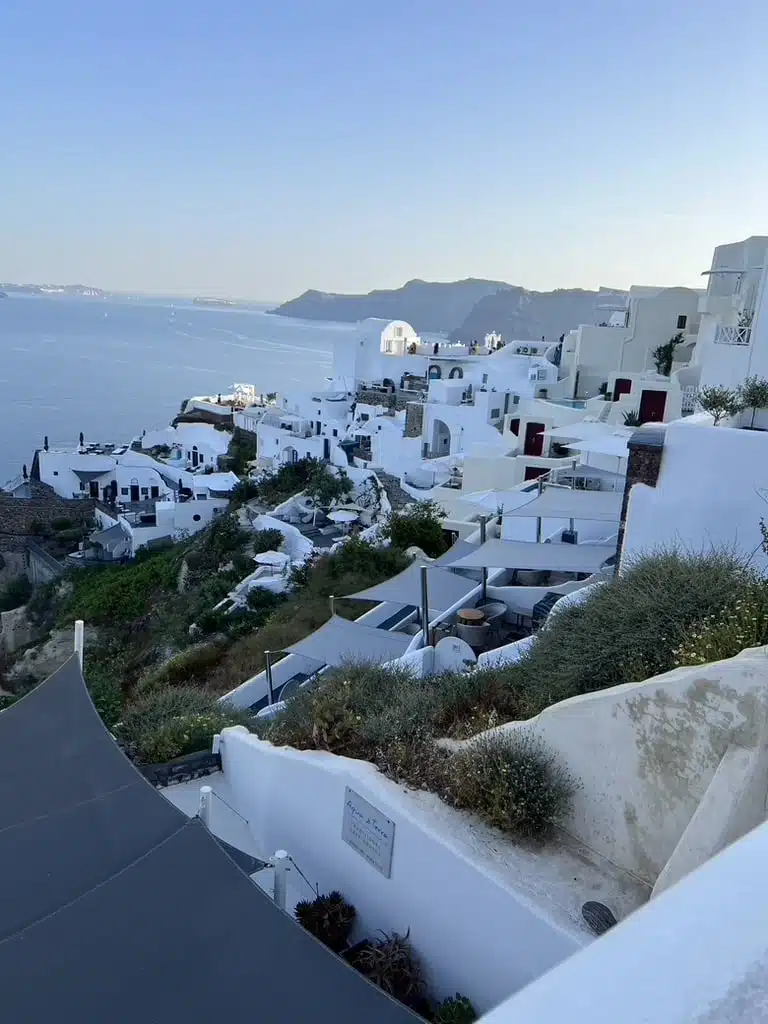
Located in the Cyclades, the island’s charm lies in its volcanic cliffs, perched villages with whitewashed facades and unforgettable sunsets. Every corner of the island has its own unique atmosphere, combining tradition, spectacular nature and archaeological heritage. Whether you’re a fan of breathtaking panoramas, romantic walks or Greek history, Santorini promises a rich and varied experience.
Prepare for your stay by discovering the must-sees on this emblematic Aegean island.
History of Santorini: between eruptions, civilizations and resilience
Santorini, formerly known as Thera, has a unique history linked to its volcanic origins. Around 3,600 years ago, a cataclysmic eruption transformed the island. This phenomenon formed the present-day caldera and caused the disappearance of the ancient civilization that lived there. Today, many researchers link this event to the disappearance of the Minoan civilization, which once flourished on Crete.
The remains of Akrotiri: an Aegean Pompeii
In the south of the island, excavations at Akrotiri reveal the ruins of a prehistoric city perfectly preserved under volcanic ash. The cobbled streets, multi-storey houses and colourful frescoes bear witness to an impressive level of refinement. This archaeological site offers a glimpse into the daily life of a vanished civilization, long before classical antiquity. It remains one of the most important in the Aegean.
From Antiquity to Venetian influences
After the eruption, Santorini was recolonized by the Dorians. Thera became a strategic post for Mediterranean trade. Later, the island came under Byzantine domination, followed by Venetian rule from the 13th century. Traces of this period can be seen in the medieval fortresses of Pyrgos and Emporio.
An island marked by earthquakes and reconstruction
Santorini has also been marked by destructive earthquakes, including the one in 1956, which deeply affected the island. Despite this, the island’s inhabitants have always managed to rebuild with resilience. Even today, this geological and human history is evident in the island’s architecture and cultural identity.
Santorini's volcanic history: a past that has shaped the island
Santorini was born of fire. Located in an active volcanic arc in the Aegean Sea, it is the fruit of a gigantic volcano that has left its mark on the geological and human history of the Mediterranean.
A major eruption at the origin of the caldera
Around 3,600 years ago, a titanic eruption, known as the Minoan eruption, caused the center of the island to collapse. This phenomenon created the present-day caldera, an impressive bay bordered by steep cliffs. The eruption released volcanic ash as far away as Anatolia and the eastern Mediterranean basin.
Repercussions as far away as Crete
According to many archaeologists, this eruption had an impact on the Minoan civilization on Crete. Massive tsunamis hit the coasts, while volcanic fallout affected agriculture and trade. The event may well have contributed to the decline of this advanced civilization, although it was not the only cause.
Islets born of more recent eruptions
The islands of Nea Kameni and Palea Kameni, in the center of the caldera, are the result of more recent eruptions, which occurred between the 16th and 20th centuries. Today, you can walk on these volcanic lands and even reach the active crater of Nea Kameni. Fumaroles are still visible. Boat cruises to these islets provide a better understanding of the archipelago’s dramatic origins.
A memory preserved in museums
To delve deeper into this fascinating history, the Thira Prehistoric Museum, located in Fira, exhibits frescoes, pottery and objects from the site ofAkrotiri, an ancient city buried under the ashes. This site, often compared to Pompeii, bears witness to daily life before the eruption and offers a valuable insight into Santorini’s past.
Villages to explore: charm, history and authenticity
Beyond the spectacular views, Santorini reveals all its richness through its villages. Each has its own unique atmosphere, with typical architecture, a lively culture and local traditions. These places allow you to immerse yourself in the soul of the island, far beyond the tourist clichés.
Oia: artistic refinement and bohemian ambience
Oia isn’t just famous for its sunsets. In fact, it’s also an artists’ village, dotted with galleries, independent bookshops and small craft stores. Its narrow streets lead to carefully restored troglodytic houses, blue-domed chapels and staircases carved into the rock. What’s more, Oia is an ideal place to enjoy a glass of wine by the sea, away from the crowds, especially in the early morning or late afternoon.
Fira: a lively capital of culture and local life
Fira boasts a number of major attractions, including museums (including the prehistoric Thera Museum) and small, typical Orthodox churches. With its restaurants suspended above the caldera and its many shops, the town is also an excellent starting point for exploring the island. Although busier, Fira is still pleasant to visit in the early morning or in the evening, when the atmosphere becomes more relaxed.
Pyrgos: an authentic village with panoramic views of Santorini
Pyrgos, perched high up on the island, is much more than just a picturesque village. The former capital of Santorini until the 19th century, it has long been the island’s administrative and religious center. This past status explains the abundance of Byzantine churches, Venetian mansions and fortified alleyways you’ll discover on your visit.
The village, still untouched by mass tourism, invites you to stroll along its white, winding streets. They lead up to the remains of an ancient Venetian castle (the Kasteli), which overlooks the entire island. From here, the panorama of the caldera, vineyards and surrounding villages is breathtaking, especially at sunset.
Pyrgos also seduces with its authentic atmosphere. Family-run cafés, small craft stores and churches tucked away in every nook and cranny recall a more intimate Greece, far removed from the hustle and bustle of Fira or Oia.
Imerovigli: calm and sublime panoramas
Just 2 km from Fira, Imerovigli is known as the “balcony of the Aegean”. This village perched atop the caldera is one of the best places to enjoy spectacular panoramic views of the sea, volcanic islands and sunsets. Unlike Oia, Imerovigli remains more peaceful, even in high season.
Historically, the village was a strategic lookout point in medieval times. The name “Imerovigli” means “watchtower day”, in reference to its defensive role. Today, the ruins of Skaros Rock, an ancient Venetian castle built in the 15th century, bear witness to this era. You can get there on foot via a path starting from the village center. The walk offers breathtaking views over the caldera.
Imerovigli is also home to a number of typical churches, including Theosképasti, perched on a cliffside. Its blue dome against the sea attracts photographers and hikers alike.
The village is also renowned for its charming hotels and troglodytic suites, often featuring infinity pools with views. As a result, it’s a popular destination for couples, especially honeymooners.
Emporio: authenticity and traditional architecture
Located in the south of the island, Emporio is Santorini’s largest village outside the tourist areas. Its calm atmosphere, unspoilt authenticity and narrow streets with whitewashed walls are alluring. Unlike the villages perched on the caldera, Emporio reveals another facet of Santorini: that of local life, far from the crowds.
The heart of the village is a labyrinth of alleyways, built to slow down any invaders. There are troglodytic houses, winding staircases and, above all, the kastelli, an ancient medieval castle. The kastelli was one of five fortifications built in Venetian times to protect the inhabitants from pirates. Today, its ramparts, towers and vaulted passageways offer a timeless atmosphere.
ThePanagia Mesani church, located close to the castle, boasts an imposing bell tower visible from afar. It is one of the village’s many historic churches, often decorated with ancient frescoes.
In addition to its heritage, Emporio is home to a number of traditional cafés, small grocery stores and discreet galleries. It’s also a good starting point for exploring southern beaches such as Perissa and Vlychada, just a few kilometers away.
Oia and Fira: emblematic villages perched on the edge of the caldera
Explore Fira, the vibrant heart of Santorini
Fira, the island’s capital, combines local energy with spectacular views. Its white alleyways are packed with stores, restaurants, art galleries and breathtaking views of the caldera. Don’t miss the Thera Museum of Prehistory to learn more about the island’s volcanic history. Day or evening, the town remains lively and authentic.
Hiking between Fira and Oia: a panoramic trail
This 10 km hike, accessible to all, links the island’s two most beautiful villages. The trail runs along the cliff face through Firostefani and Imerovigli, offering breathtaking panoramas at every turn. Bring good shoes, water and an early or late start to avoid the heat. This is undoubtedly one of the most beautiful walks in the Cyclades.
Oia, elegance at the end of the island
Oia is distinguished by its troglodyte architecture, blue-domed churches and chic yet peaceful atmosphere. Here you’ll find contemporary art galleries, independent bookshops and Greek designer boutiques. Less lively than Fira, Oia is an inviting place to stroll around, especially in the early morning before visitors arrive on their excursions.
An unmissable moment: sunset
The sunset has become a daily ritual. The alleyways fill up at 6pm in summer, and the terraces are booked up well in advance. To enjoy the experience without the crowds, move further away, towards the path that leads to the Ammoudi port. The intensity of the colors on the volcanic cliffs creates an unforgettable tableau.
Santorini beaches: black sand, red rocks and volcanic coves
Santorini’s charm lies not only in its hilltop villages, but also in its spectacular beaches. Thanks to its volcanic past, each shore has its own unique personality. When you visit the island, you’ll discover a mosaic of colors and moods, from red cliffs to stretches of black sand.
Perissa and Kamari: comfort and entertainment
Located on the east coast, Perissa and Kamari are among the most popular. They stretch over several kilometers of black sand. Thanks to their many facilities – sunbeds, bars, water sports – they are ideal for families and groups of friends alike. What’s more, their lively seafront promenade invites you to stroll at any time of day.
Red Beach: a striking contrast
Near Akrotiri, Red Beach impresses with its sheer red cliffs. Its dark sand and turquoise waters create a powerful backdrop. Although it’s sometimes crowded, the atmosphere remains unique. You’ll need to walk a few minutes to reach it, but it’s well worth the effort.
White Beach: accessible only by boat
White Beach is hidden behind Red Beach, in the hollow of clear cliffs. It can only be reached by boat, which makes it even more peaceful. Its isolation attracts those in search of tranquillity. Swimming near the rocks, you can admire the purity of the water and the beauty of the landscape.
Vlychada: lunar atmosphere and calm
Vlychada, in the south of the island, offers a surprising setting. Its naturally sculpted cliffs are reminiscent of lunar scenery. Far from the hustle and bustle, this beach attracts travelers in search of relaxation. Its discreet tavernas add to its charm.
Monolithos: ideal for families
Just a few minutes from the airport, Monolithos remains calm and friendly. Its shallow waters are reassuring for parents. In addition, its children’s facilities and shady spots make it the perfect place to spend the day in complete serenity.
Columbo: wild and unspoilt
Columbo, in the northeast, is the wildest of them all. There are no facilities here, but nature reigns supreme. Its black sand and steep cliffs invite contemplation. It’s the perfect place to get off the beaten track.
Historical sites to explore between volcano and Aegean Sea
Santorini is not just about iconic panoramas. The island is also home to archaeological and historical treasures that allow us to delve into its fascinating past. Each site reveals a different facet of its history, from volcanic eruption to flourishing civilization and Cycladic culture.
Ancient Thera: ruins suspended above the sea
Perched on Mount Mesa Vouno, ancient Thera offers not only impressive views, but also a journey back in time. Founded in the 9th century B.C. by the Dorians, the town was continuously active for over 1,000 years. The remains of dwellings, agoras, temples and a theater, all built of local stone, can still be seen today. Thanks to its altitude, the site also offers exceptional panoramic views of Kamari and Perissa.
Akrotiri: a town frozen in ashes
Often compared to Pompeii, Akrotiri is without doubt the island’s most spectacular archaeological site. This Minoan city, buried by volcanic eruption around 1600 BC, was rediscovered in the 20th century. Excavations have uncovered multi-storey buildings, remarkably well-preserved frescoes, crockery, everyday objects and sophisticated sewage systems. A stroll along the walkways allows you to observe the ruins at close quarters without damaging them.
The Museum of Prehistory: to understand the evolution of Santorini
Located in Fira, this museum brings together the finest finds from the Akrotiri site. Original frescoes, crockery and everyday objects are on display. Each piece illustrates the artistic and technological evolution of Minoan civilization. It’s a must-see for those who want to deepen their knowledge of Santorini’s past.
Explore volcanic landscapes and natural wonders
Santorini offers much more than spectacular views from its cliffs. Its volcanic origins create a unique environment to discover by sea or on foot.
Nea Kameni: walking on an active volcano
The volcanic island of Nea Kameni is only accessible by boat from the old port of Fira. Once there, a path leads to the main crater. This arid setting of dark rock and ash is a reminder of the power of past eruptions. It’s an impressive and educational experience for those curious about geology.
Bathing in the hot springs of Palea Kameni
Nearby, the island of Palea Kameni is home to natural hot springs, rich in sulphur. Boats drop anchor just a few meters away, and you have to swim to reach the warm waters. This unusual bathing experience is renowned for its benefits, even if the orange tint of the water can stain your clothes. It’s an original moment, often appreciated after the effort of climbing the volcano.
Discover Santorini from the sea
To explore the caldera in a different way, opt for a mini-cruise at sunset. These outings offer unparalleled views of cliffs, hilltop villages and volcanic islands. Some include a meal on board or a swim in remote coves accessible only by boat.
Flavours of Santorini: between volcanic soil and culinary traditions
Santorini, beyond its impressive landscapes, also seduces with its authentic gastronomy. Thanks to its mineral-rich volcanic soil, the island produces unique products with deep, intense flavors.
Produce grown in ash
Santorini’s small, sweet cherry tomatoes are one of the island’s signature products. Grown in arid, volcanic soil, they develop a concentrated flavor. They are often found in koufeto, a local jam served at weddings. Another local specialty: Santorini split peas (fava). This simple, creamy dish, usually served with olive oil and caramelized onions, is a must-try.
Cheeses, capers and rare wines
Local cheeses such as hloro (a fresh cheese) can be enjoyed in mezzés or salads. Capers grow wild on the cliffs and can be found in many dishes. As for beverages, Santorini is famous for its Assyrtiko wine, a white grape variety grown in the shape of a crown to resist the winds. The island’s wineries offer tastings overlooking the caldera, a must for wine lovers.
Traditional taverns and creative cuisine
In villages like Megalochori or Exo Gonia, taverns serve simmered dishes, grilled fish and local specialties in an authentic atmosphere. More and more chefs are revisiting these traditions in elegant restaurants, blending Cycladic cuisine with modern touches. The wealth of flavors reflects the soul of the island: generous, contrasting and rooted in its history.
Accommodation: choosing the ideal experience
Luxury with caldera view
For a sumptuous getaway, some establishments offer infinity pools and private terraces. For example Katikies Santorini in Oia offers three pools, an upscale Cycladic restaurant and a refined spa.
Likewise, Andronis Luxury Suites in Imerovigli offers suites with private pools, spas and VIP receptions, which are very popular with prestige travelers;
4-star comfort in a convenient location
Establishments such as Astra Suites (Imerovigli), El Greco Resort or Hermes Hotel (Fira/Perissa) offer excellent value for money. They combine modern comfort, swimming pool and breakfast included.
Authentic cellar-house holidays
For local immersion, choose yposkafa (troglodyte houses). Perivolas in Oia preserves this traditional architecture, with access to boat excursions.
Relevant economic options
Alternatively, for a good compromise, consider Meltemi Village (Perissa) or Aegean Plaza (Kamari). These addresses offer swimming pools, family comfort and easy access to the beaches.
Cultural life and traditions in Santorini: faith, art and festivals
Santorini, beyond its volcanic landscapes, also shines for its rich cultural life. Throughout the year, the island hosts numerous events, reflecting its deep-rooted identity and lively traditions.
Religious celebrations and popular customs
First and foremost, religious celebrations punctuate the daily lives of the inhabitants. Easter, in particular, is the highlight of the year. In villages such as Pyrgos and Fira, the streets are lit up with lanterns and candles, creating a mystical and solemn atmosphere. And in Oia and Emporio, nightly processions bring the locals together to sing Byzantine songs and enjoy traditional dishes, often shared after mass. These moments of fervor offer visitors a rare immersion in local culture.
Summer festivals: between music and heritage
In summer, Santorini offers several not-to-be-missed cultural festivals. The Santorini Jazz Festival, usually held in July in Kamari, welcomes Greek and international artists in a relaxed, open-air atmosphere.
Then there’s the Megaron Gyzi Festival, held throughout August in Fira, featuring classical music concerts, art exhibitions and theatrical performances. The performances take place in the elegant 19th-century mansion that houses the Gyzi Cultural Center, offering a setting steeped in history.
Finally, Ifestia, the re-enactment of Santorini’s volcanic eruption, takes place in September. This nocturnal festival combines fireworks, music and light projections on the caldera to recreate the eruption that shaped the island. This spectacular event attracts large numbers of curious onlookers every year.
Local craftsmanship: between memory and creativity
In addition to the festivities, the local art scene thrives around galleries and studios in Fira, Oia and Pyrgos. Many artists exhibit works inspired by the island’s light and landscapes. A visit to these venues reveals a contemporary expression of Cycladic identity, at the crossroads of past and present.
When to go to Santorini: weather, crowds and events
Santorini enjoys a pleasant Mediterranean climate almost all year round. However, depending on what you’re looking for, there are certain times of the year when you’ll be able to discover the island in the best possible conditions.
May to June: a perfect balance
May and June are ideal months to visit Santorini. The weather is already warm, the days are long and the island remains relatively calm. It’s also a time when the vegetation is still lush and green, and the villages are not yet swamped by the summer crowds.
July and August: high season and lively atmosphere
In summer, Santorini attracts a large number of visitors. The skies are clear, temperatures easily exceed 30°C and all activities are open. However, popular spots such as Oia and Fira can get very crowded, especially at sunset. So it’s best to book early, for both accommodation and excursions.
September to October: mild and peaceful
This is the ideal time to enjoy the beaches, hiking trails and warm sea. The atmosphere remains lively, but more relaxed. In September, the grape harvest begins, and some estates offer local wine tastings. October marks the end of the tourist season, with a welcome return to calm.
Winter and shoulder season: for a holiday off the beaten track
From November to March, Santorini lives to the rhythm of the locals. Many hotels close, but lovers of tranquillity, raw landscapes and photography will appreciate the authentic atmosphere. Prices are also more affordable, which may appeal to travelers looking for off-season discoveries.